
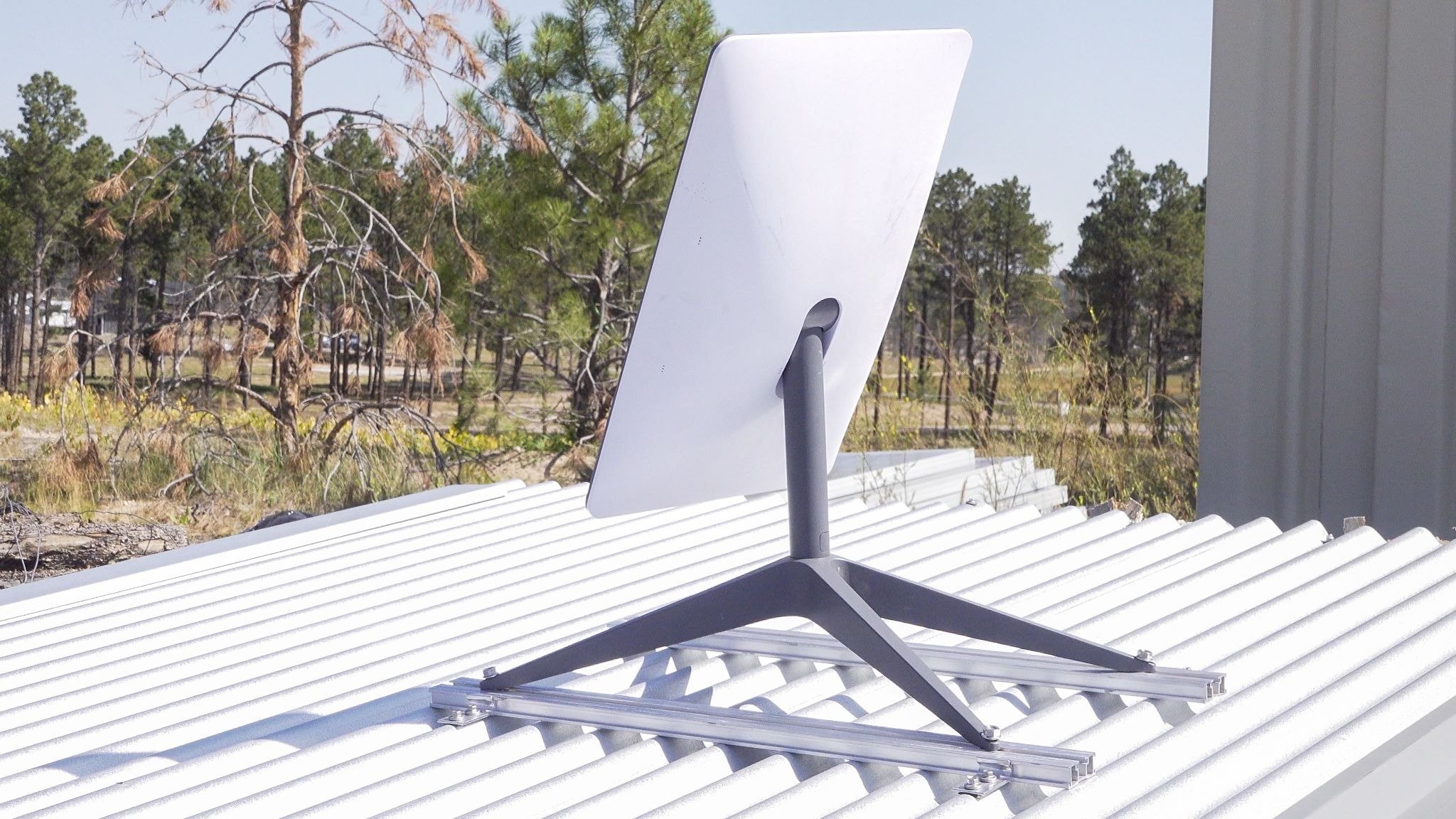

If you’re installing Starlink at your home, you should know one thing: placement matters. Mounting your dish in a higher location, typically on your roof, provides the clearest view of the sky and helps ensure the most reliable internet connection.
In fact, Starlink itself recommends installing the dish in an elevated, permanent location, such as a roof, to achieve the best performance and long-term reliability. But here’s what many homeowners overlook: how you mount the dish is just as important as where you install it.
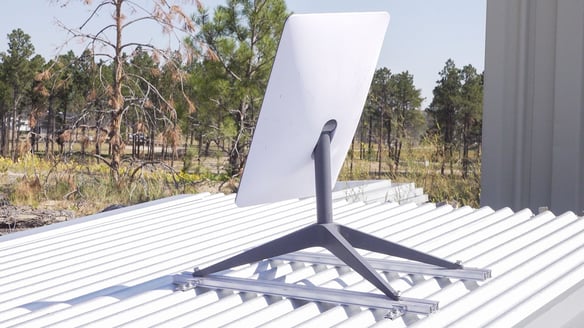
Starlink installed on a corrugated metal roof with an engineered utility mounting system.
For decades, people have relied on outdated mounting solutions like concrete blocks and ballasted systems for satellite dishes and other rooftop accessories. While these methods may seem simple, they directly conflict with Starlink’s best practices and can create serious problems for your roof and your connection.
Thankfully, there’s a better way. A modern way. The Right Way!®
What Starlink Recommends and Why It Matters
Before choosing a mounting method, it’s important to understand what Starlink recommends for the best performance:
- A clear, unobstructed view of the sky is critical — even small obstructions cause interruptions.
- Permanent mounting is recommended for long-term reliability and cable protection.
- Install as close to vertical as possible for optimal signal tracking.
- Protect cables from damage and moisture during and after installation.
Homeowners using ballast and concrete block systems often find it harder to follow these best practices.
The Problem With Concrete Blocks and Ballast
Loose concrete blocks rely on weight rather than engineering. Over time, they can shift, especially in wind events or storms, impacting alignment and signal quality.
Ballasted systems limit placement flexibility and often result in suboptimal positioning, leading to dropped connections. Concrete blocks trap moisture, leading to rust and potential degradation of metal roof panels over time. This not only shortens your roof’s lifespan, but it can also void your warranty.
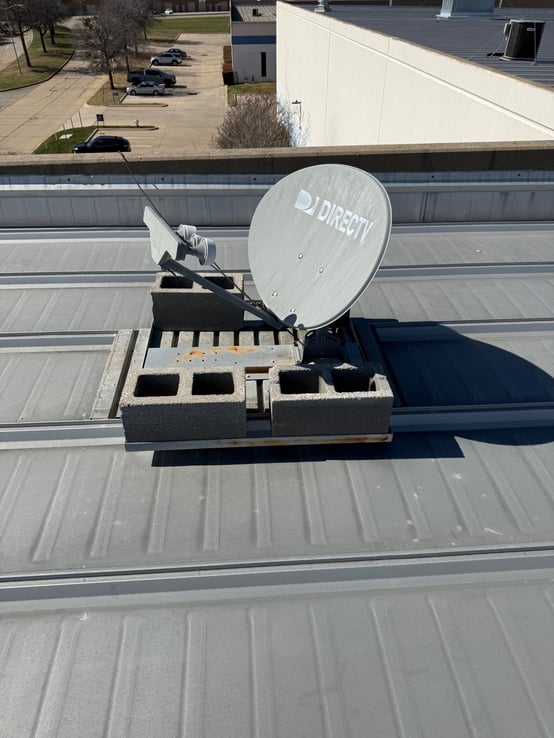
Concrete blocks can cause damage to metal roofs, inducing corrosion.
Starlink emphasizes protecting cables from bending, moisture and damage. Ballasted setups often lead to messy cable runs across the roof, increasing the risk of wear and tear, water exposure and improper routing. And on top of all that (no pun intended), dragging concrete blocks onto your roof is labor-intensive, risky and completely unnecessary with today’s modern mounting solutions.
What’s the Solution?
A purpose-built mounting system provides a reliable way to attach equipment like Starlink directly to metal roofs without the drawbacks of outdated, unsafe methods.
Instead of relying on weight or improvised setups, it uses engineered attachment points to secure your system while helping to protect the integrity of your roof. That shift alone makes a big difference, especially when you’re trying to get the most out of a high-performance system like Starlink.
One of the biggest advantages is the ability to install your dish exactly where it performs best. Rather than being limited by where you can place heavy blocks or temporary mounts, you can fine-tune placement to maximize signal quality and minimize interruptions.
Attachment Without Compromise
A common misconception is that effective roof-mounted systems must rely on attachments that penetrate the roof panels to provide secure attachment. In reality, today’s industry-leading clamps are designed to mechanically attach to standing seam metal roofs, allowing you to achieve a secure, code-compliant attachment that maintains the roof's integrity. For exposed-fastened roofs, utility mounting systems can achieve a secure attachment to the panel ribs and prevent water intrusion by utilizing tabs with factory-applied EPDM sealant.
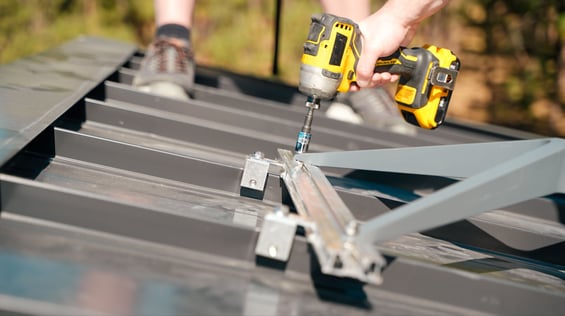
Non-penetrating clamps attach utility mounting systems without voiding the roof manufacturer’s warranty.
Plus, with a utility mounting system designed specifically for rooftop accessories, cable routing becomes much cleaner and safer, avoiding sharp bends, tension and unnecessary opportunities for degradation. Installation itself is faster and more straightforward, without the need to haul heavy materials or rely on trial-and-error positioning.
Ideas to Hold On To
Starlink is only as effective as the quality of its installation. Temporary methods like ballast can limit placement, increase risks to the roof and lead to inconsistent performance. A purpose-built mounting approach, on the other hand, supports a secure, elevated and properly aligned installation, exactly as the system is designed to function.
And finally, it’s not only easier to do it The Right Way!® — it’s almost much lower-cost!
If you’re serious about getting the most out of your Starlink connection, upgrading your mounting method isn’t optional. It’s essential.


